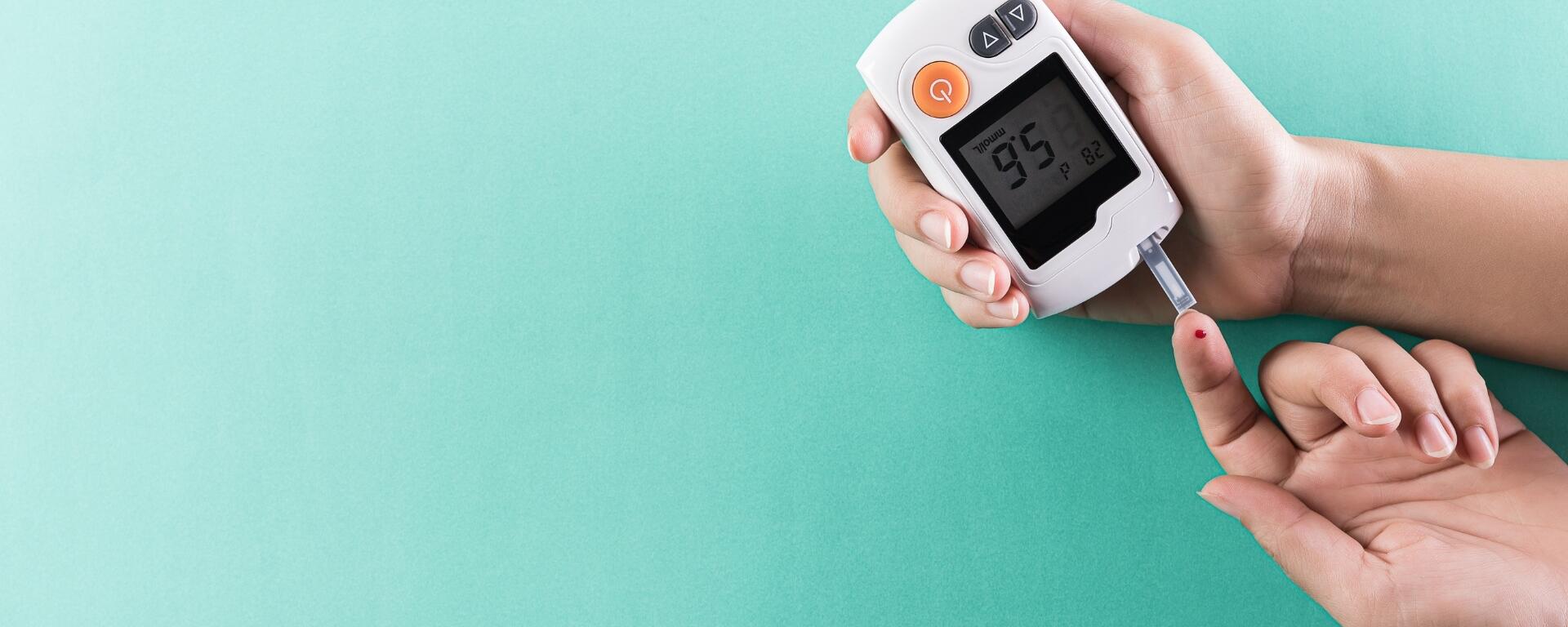

Type 2 diabetes is one of the fastest growing preventable health conditions in New Zealand. A 2021 report found that almost 5% of New Zealanders have type 2 diabetes.
What Is Diabetes?
Diabetes is when the level of glucose in your blood is too high. If it’s not controlled, it can damage the organs in your body, such as the heart and nerves. The amount of glucose in your body is controlled by various hormones, primarily insulin. With diabetes, your body is unable to produce insulin, or it doesn’t respond properly to the insulin it produces.
There are three types of diabetes:
Type 1 diabetes
This is an auto-immune condition where the body attacks the cells in your pancreas that make insulin, so not enough is produced. Type 1 diabetes usually begins in childhood and can appear suddenly, often after a viral infection. It’s important to note that Type 1 diabetes isn’t lifestyle related. About 10% of people diagnosed with diabetes have type 1.
Type 2 diabetes
When your body can’t use insulin effectively. The insulin-making cells in your pancreas produce insulin, but the insulin isn’t working well. About 90% of people with diabetes have type 2.
Gestational diabetes
When a pregnant woman who was not known to have diabetes before pregnancy develops high blood glucose levels during pregnancy. About 4-8% of pregnant women are diagnosed with gestational diabetes. If left untreated it can lead to problems for both mum and baby. Usually, it goes away after giving birth but may recur in future pregnancies.