
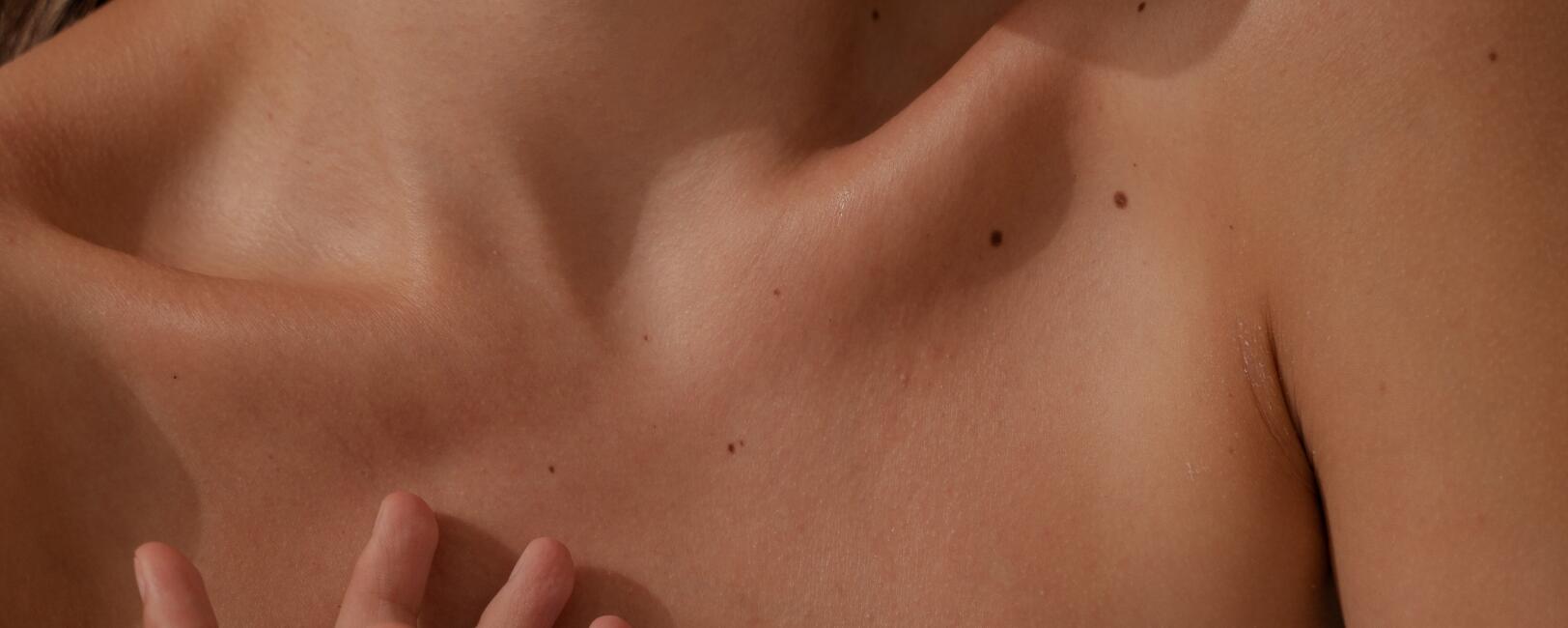
When you think about checking your skin, you might look at the places you see every day – your face, arms, chest and legs. But what about the top of your head, behind your ears or between your toes?
Skin cancer can develop anywhere on your body, including areas that don't get much sun or are difficult to see. That's why checking your skin means looking at all of your skin, not just the obvious places.
Don't forget the hard-to-see places
It's easy to miss new or changing spots in places we rarely look at. Take your time and work systematically around your body.
Some commonly overlooked areas include:
-
Scalp and hairline: Use a comb to part your hair so you can see the skin underneath.
-
Behind and around your ears: Check the backs of your ears as well as the skin around them.
-
Back and neck: Use a hand-held mirror or ask someone you trust to help.
-
Armpits: Raise your arms and check the skin underneath.
-
Hands and feet: Look between your fingers and toes, around and under your nails, and across the soles of your feet.
-
Inner legs and other less exposed areas: Skin cancer isn't limited to parts of your body that regularly see the sun.
A full-length and hand-held mirror can make checking hard-to-see areas easier.
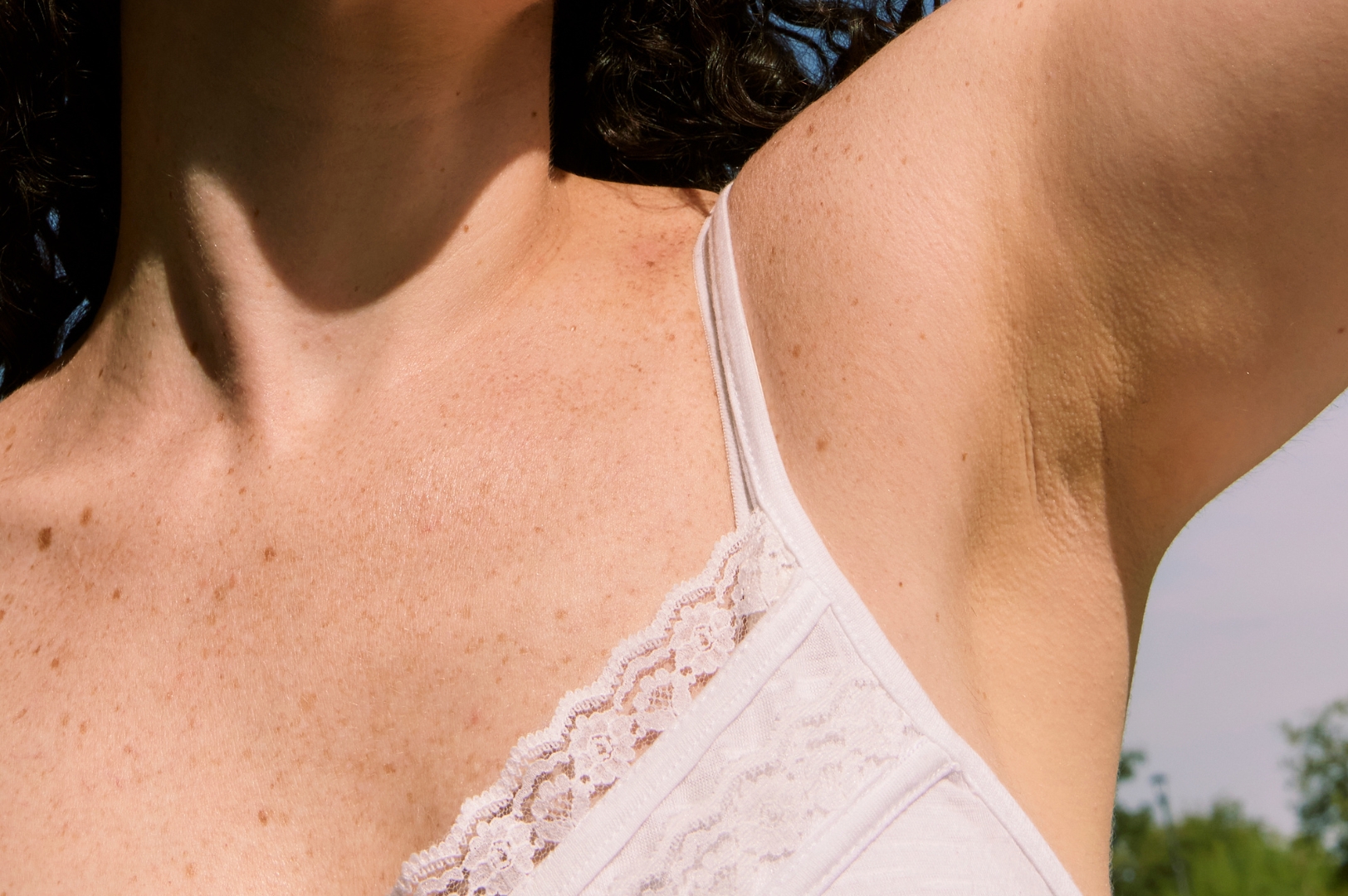
Get to know what's normal for you
Most of us have moles, freckles and other marks on our skin. While melanoma is the most serious type of skin cancer, other skin cancers can also appear as new or changing spots, sores or areas of skin.
The aim of checking your skin isn't to diagnose skin cancer yourself. It's to become familiar with how your skin normally looks so you're more likely to notice anything new, changing or unusual.
Pay attention to spots that become larger, change shape or colour, become rough, scaly, swollen or itchy, or start to bleed or weep. A sore that doesn't heal or a spot that looks noticeably different from those around it should also be checked.
Skin cancers don't always hurt, so don't wait for discomfort before getting something unusual looked at.
Make checking your skin a habit
Try to check your skin regularly – at least once a month – so you can keep track of any changes. Making it part of an existing routine, such as after a shower or before getting dressed, can help you remember.
Your risk of skin cancer can vary depending on factors such as your skin type, sun exposure, number of moles, family or personal history of skin cancer and immune health. Your GP or NP can help you understand your risk and whether regular specialist skin checks might be right for you.
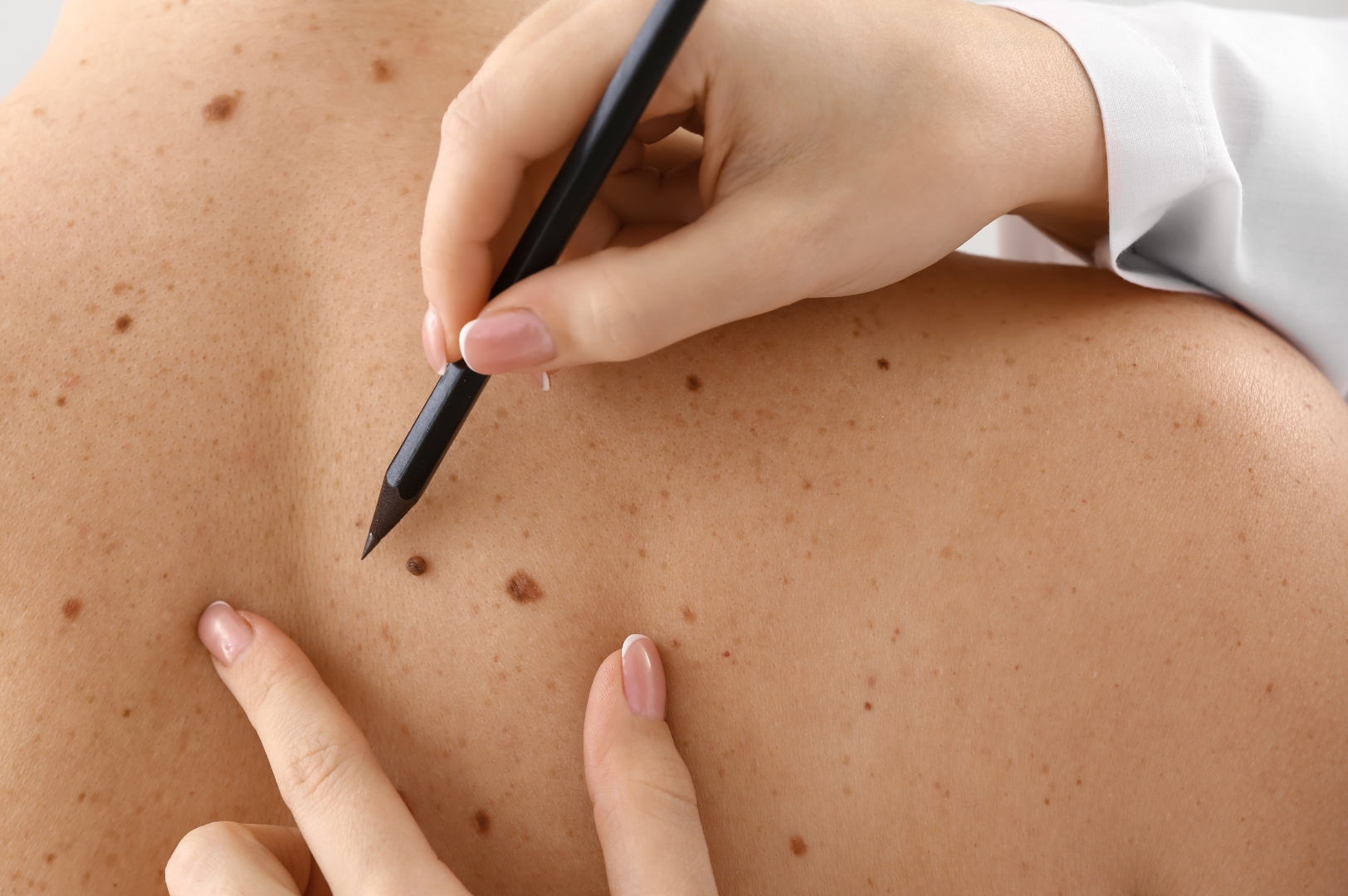
Spotted something different? Get it checked
If you notice a spot that's new, changing or unusual for you, book an appointment with your GP or NP to have it checked. Most skin changes aren't cancer, but it's always worth getting anything you're concerned about looked at.
They'll examine the area and talk to you about any relevant symptoms and history of skin cancer in your family. Depending on what they find, they may seek a second opinion, arrange for a mole or lesion to be removed at the practice, or refer you to a specialist for further assessment, biopsy or removal.