Animation image of three women talking with two speech bubbles

Know your normal: A guide to breast awareness

Being ‘breast aware’ means getting to know how your breasts normally look and feel, so you can recognise changes that are unusual for you.

Breasts naturally change throughout life, including with your menstrual cycle, pregnancy, breastfeeding and ageing. Most breast changes are not caused by cancer, but it is important to know what’s normal for you and when to speak with your GP or NP if you notice something different.

How to check your breasts

Checking your breasts regularly should become part of your normal routine. If you tend to forget, you could set a regular reminder in your calendar. If you have periods, you may find it easier to do this a few days after your period has finished, once any tenderness or swelling has settled.

Take a moment to look at and feel your breasts, including the area around your armpits and up towards your collarbone. You can use these simple steps as a guide.

1. Look

Stand in front of a mirror and look at your breasts with your arms by your sides, then raised above your head. Look for any changes in the shape or size of your breasts, or changes to the skin or nipples.

2. Touch

Raise one arm above your head. Using the flat pads of three fingers from your other hand, feel the whole breast, including the area towards your armpit. Use small, circular movements and apply firm but comfortable pressure.

If you have larger breasts, you may find it easier to check while lying down, as this can spread the breast tissue more evenly.

3. Repeat

Switch sides and repeat the same check on your other breast and armpit area.
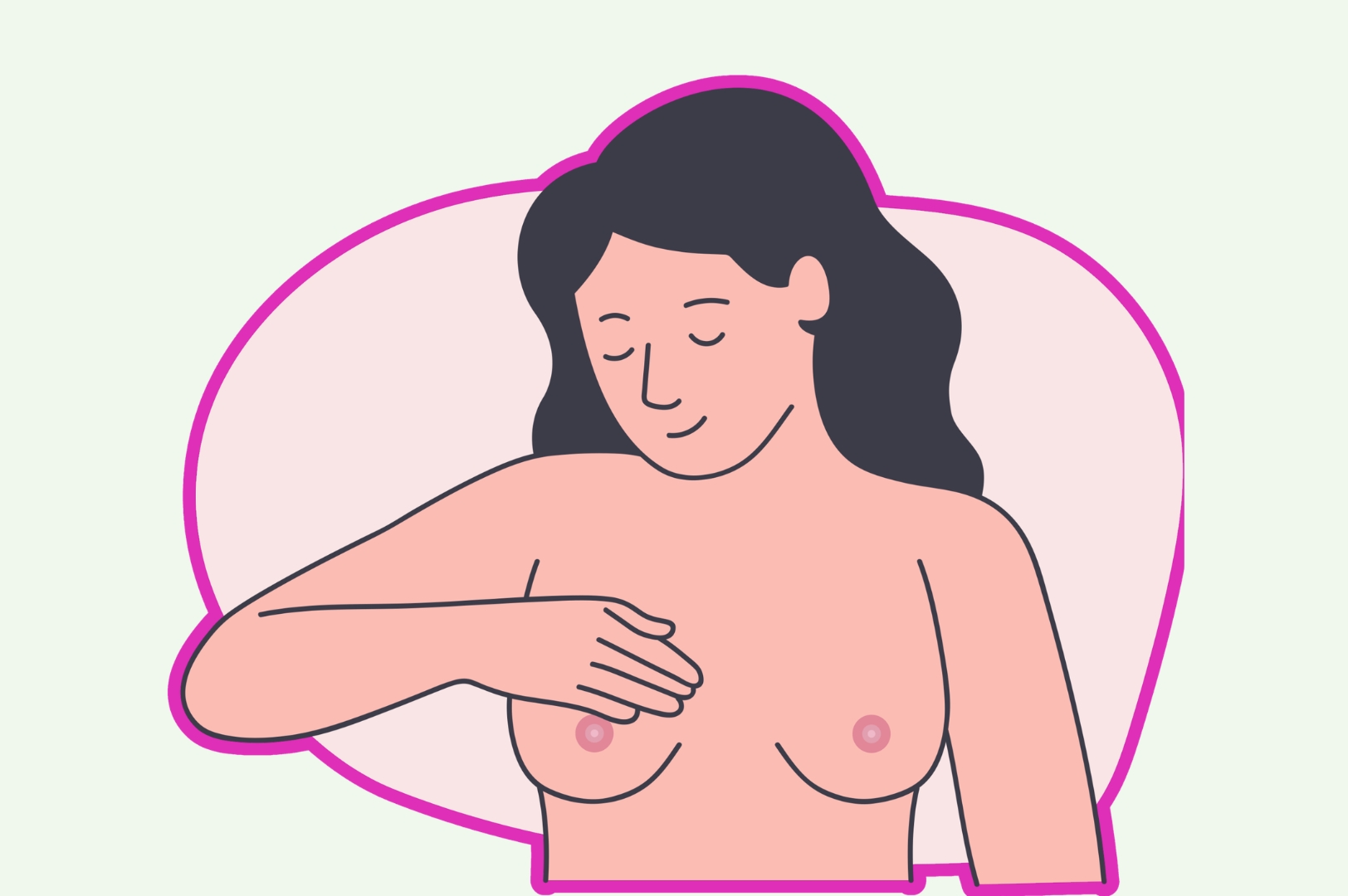
Animation image of women touching right breast

What changes to look out for

See your GP if you notice a new or unusual change, including:

  • A new lump, swelling or area of thickening in the breast or armpit
  • A change in the size or shape of your breast
  • Dimpling, puckering or thickening of the skin
  • Redness or a rash affecting the breast or nipple
  • A new change in the nipple, such as turning inwards
  • A sore or ulcer on the nipple
  • Fluid or blood coming from the nipple, particularly if it happens without squeezing
  • Pain or discomfort in the breast or armpit that does not go away.

These changes do not necessarily mean you have breast cancer, but don’t wait for your next mammogram if you notice a new or unusual breast change. Make an appointment with your GP so they can assess it and decide whether you need further tests, such as a mammogram or ultrasound.

Keep up with breast screening

It’s important to remember that being breast aware is not a replacement for breast screening. Mammograms can detect some breast cancers before they can be felt or noticed.

If you are eligible and due for screening, you can enrol with BreastScreen Aotearoa or speak to your nurse, GP or NP about your screening options.

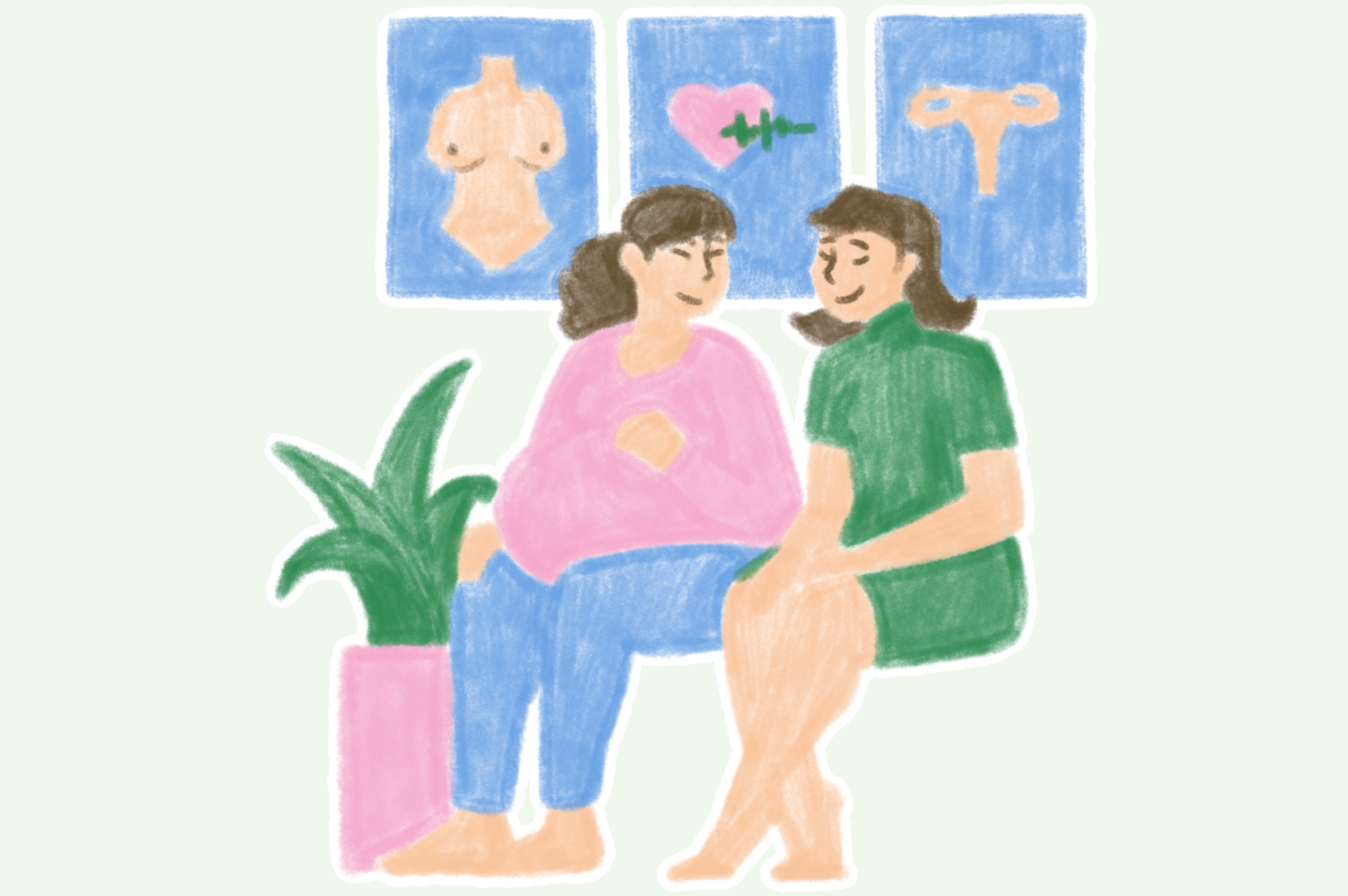
Animation image of two woman chatting in waiting room with posters of female anatomy

Free mammograms for eligible women

BreastScreen Aotearoa provides free mammograms every two years for eligible women aged 45 to 69.

Free breast screening is also being progressively extended to eligible women aged 70 to 74, with the full age extension expected to be in place by the end of 2029.

October is Breast Cancer Awareness Month

Breast Cancer Awareness Month is a timely reminder to get to know what’s normal for your breasts – and to keep checking them throughout the year.

Whatever your age, and whether or not you’re due for a mammogram, being familiar with how your breasts normally look and feel can help you notice changes.

If you’ve noticed a change in your breasts, have questions about breast screening, or simply want to discuss your breast health, we’re here to help. Book an appointment with your local The Doctors medical centre.

Enrol